In college prep schools, the reminder of preparing students for their future studies is a continuous, never-ending shadow.
Questions ranging from “what colleges are you thinking about?” to “What will you major in?” loom over students as a reminder that they are making decisions that will inevitably affect their futures.
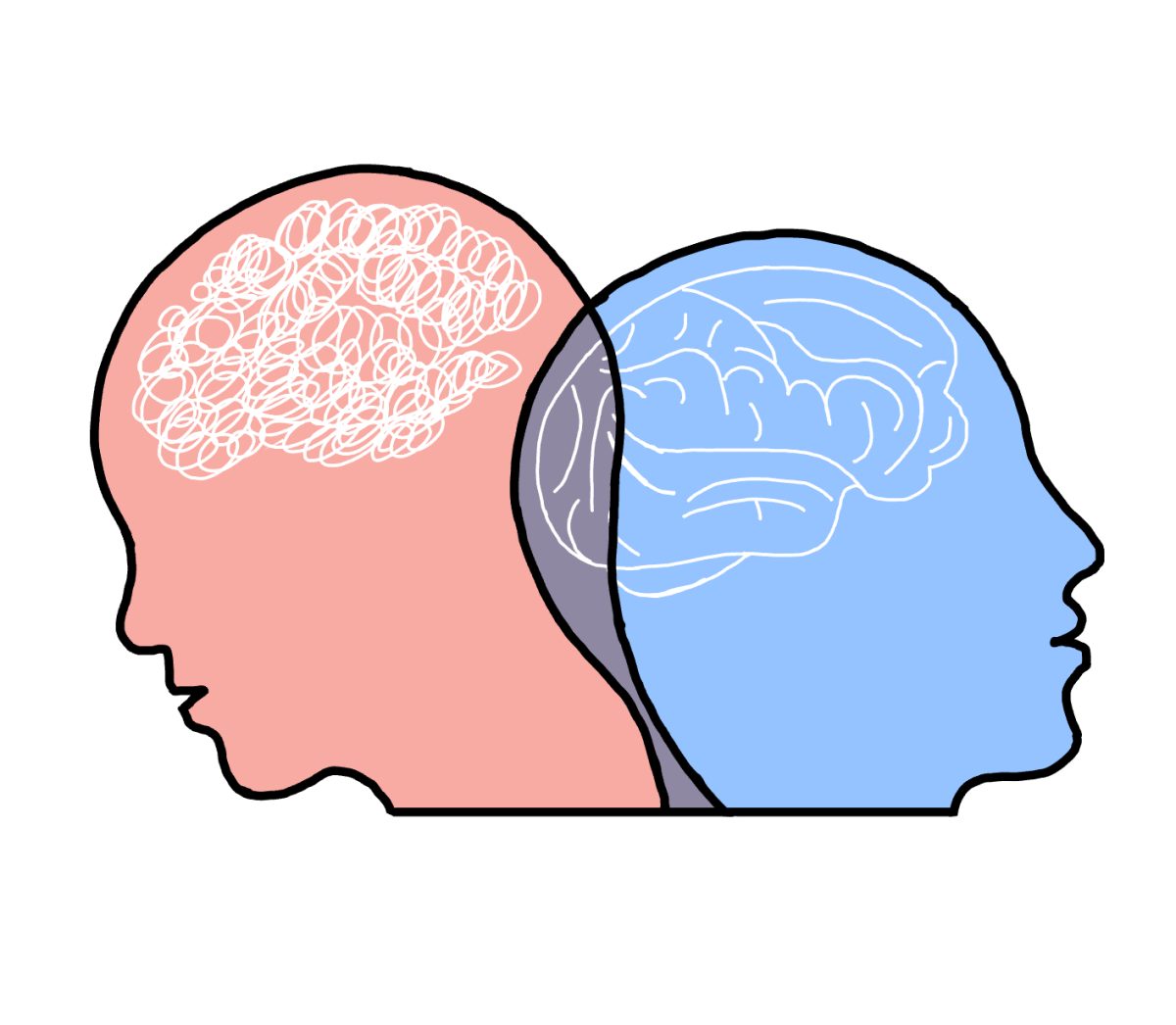
This reality seems to have an impact on students’ ultimate choice in their field of study.
“One trend that seems to be overtaking almost all colleges and students is the reduction of students majoring in the liberal arts,” Scott White, a contributor to Forbes Magazine, wrote in his article for Forbes, “Are the Liberal Arts Dead? No, Just Changed”.
The decreasing popularity of a liberal arts education may be an effect of the misconceptions of what studying liberal arts means, and how it will set students up for future occupations.
“I think that one of the assumptions is that you’re not going to make any money going into a career that is focused on liberal arts,” AP Literature teacher Amanda Ferrari said.
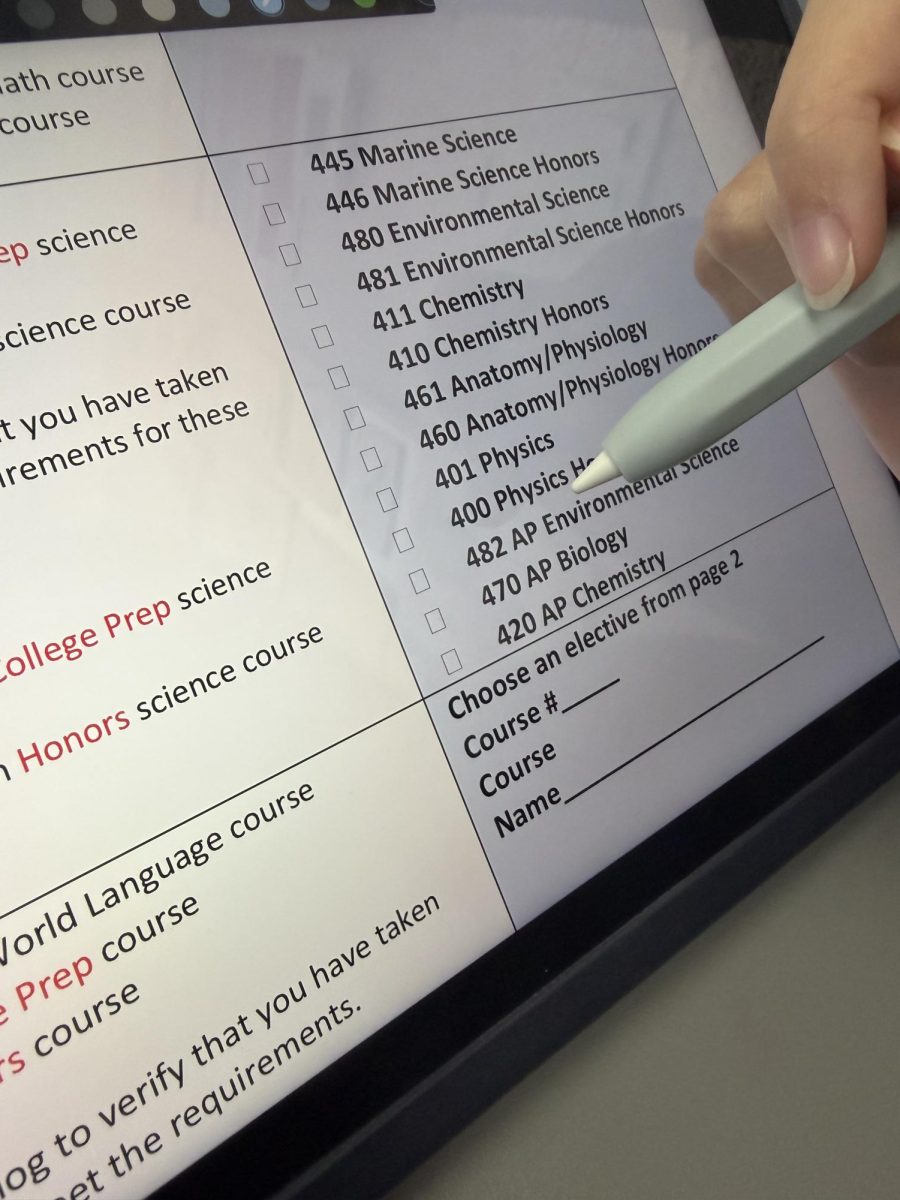
With more and more students feeling pressured to make the “right” decision for a major, the focus of interest is shifting towards more STEM related programs, in hopes that it will bring a successful career in the medical, engineering and science fields.
The fact is, though, that liberal arts doesn’t actually limit your path to success.
“I think that having a liberal arts background will show your future employer that you are able to have a more human connection to all things that you’ll be expected to do in the workplace,” Ferrari said.
Even with taking this approach, there is still the question of “what is liberal arts?”
“I think people just assume it’s art related, which it can be, but most of liberal arts have nothing to do with actual art,” AP U.S. History teacher Lauren Mosley said. “A lot of liberal arts are those everyday skills that you have to demonstrate in business and in life.”
For reference, majors such as law, political science and economics are actually fields of liberal arts that are often unrecognized as one. Even though these majors are regarded as prestigious studies that could lead to successful careers, the misconception of liberal arts may cause students to refrain from pursuing them.
Some colleges are even opting to focus more on promoting STEM majors that aim on a more technical form of thinking, which is usually presented in studying formulas and equations.
“I think many colleges still deeply value the liberal arts and integrate them into their core curricula and programs,” Practical & Performing Arts Department Chair Lauren Doran said. “However, marketing and funding, I think, often highlight the more STEM career specific programs so that can make the liberal artists feel secondary, even if it’s not.”
Some colleges are even going as far to cut liberal art programs entirely, to focus on their more STEM based programs. In 2025, Jacksonville University cut its music, philosophy and theater programs in order to better fund nursing and engineering courses, according to an article published on jaxtoday.org.
Other Florida universities still have large numbers of liberal arts programs. The University of North Florida offers 64 majors, and boasts nearly 8,000 students enrolled in these programs, according to its site. But new perceptions of success and numerous misconceptions of these majors have caused a slow, but obvious, shift in students avoiding liberal arts studies.
When choosing courses to pursue in college, take the time to research and learn about every subject you might be interested in. Who knows, maybe you’ll find a career path that inspires and satisfies your future goals.