



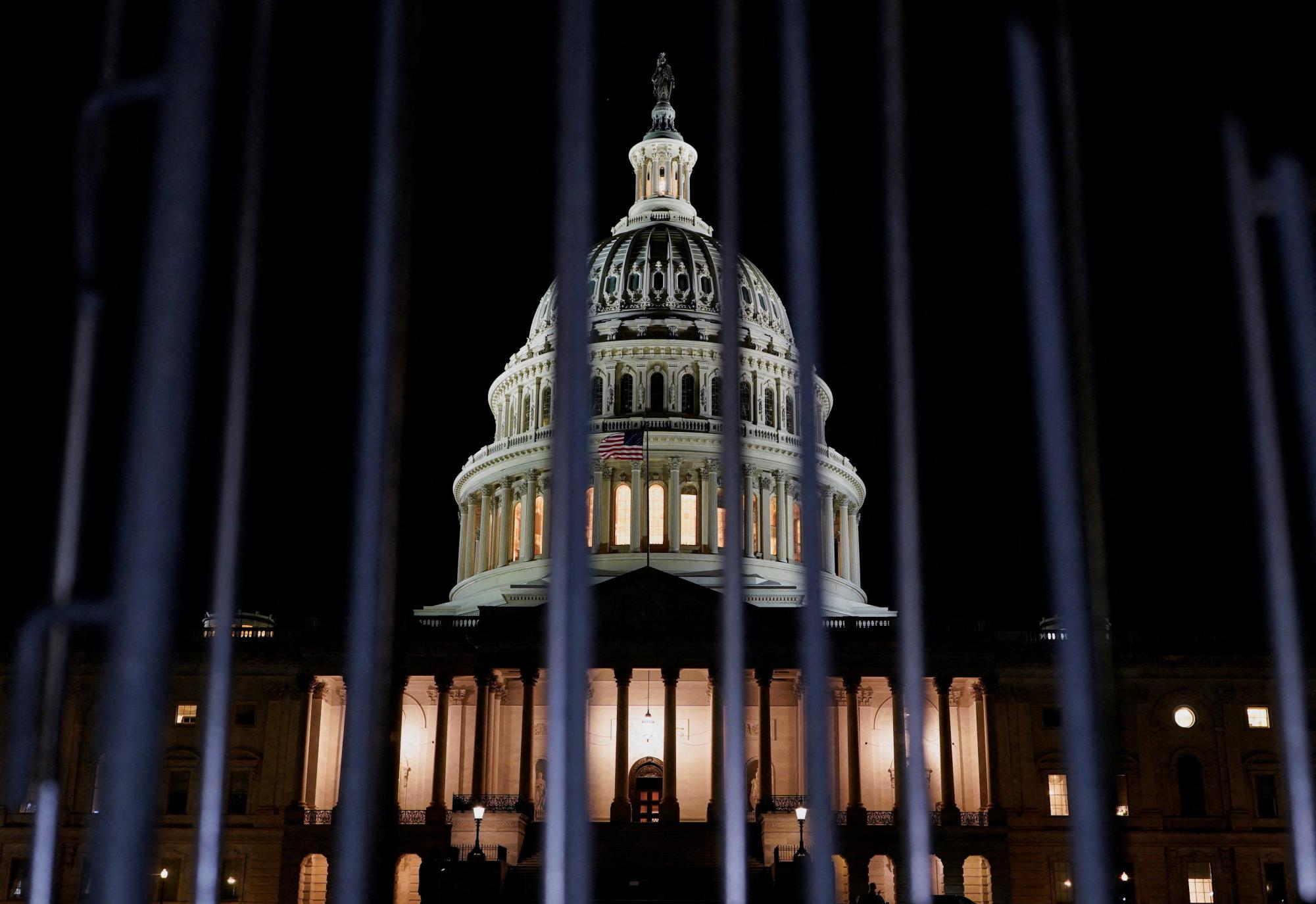
When I opened TikTok this morning, the first video that popped up in my feed was about the government shutdown. Immediately, my mind went to the doors of the White House being locked and the windows of the Capitol being boarded up.
I was then informed that a shutdown isn’t when politicians hide on Capitol Hill, but instead a temporary stop of federal funding.
Each year, Congress is responsible for passing a bill to approve funding for government agencies and services, more specifically known as the 12 annual appropriation bills. If they fail to do this by the start of the new fiscal year, Oct. 1, a shutdown takes place.
In this specific case, Congress, or more so the 53 Republican senators, 45 Democratic senators and two Independent senators, are struggling to compromise on what federal funding to cut.
The main disagreements involve who should be supported by Medicare and Medicaid and whether or not the Government should continue funding the Public Broadcasting Service and the National Public Radio.
For the bill to be passed through to the President, it needs 60 votes in favor. This is where the stalemate occurs: the power balance between the Republicans and Democrats in the Senate.
Although Republicans hold a majority, they only make up 53 out of the 60 votes, not enough to pass the bill. To get it passed, 6 Democrats would need to vote yes, but no one seems willing to budge.
Because Congress could not come to a decision by midnight on Oct. 1 a shutdown was officially declared.
This isn’t the first time a shutdown has occurred; in fact, it has happened 14 times, most recently taking place in 2018 under President Trump’s previous administration.
So what will happen now that the U.S. government has shut down?
The short answer is: federal employees will be categorized as “essential” or “non-essential.” Those deemed “non-essential” will be furloughed, while those considered “essential” will be required to work without pay.
The list of “non-essential” government operations is long, so it’s easier to list the ones that will remain in service.
The military and federal law enforcement will remain in operation, as will air traffic controllers and U.S Customs and Border Protection agents. Post offices, as well as passport and consular services, will also remain open because they are generally funded from outside sources.
Although the government shutdown doesn’t directly affect many teens, its impact could still be felt.
If you’re planning to travel, beware of flying. Although airport security will remain open, the number of workers will decrease drastically, potentially leading to backed-up security lines, flight delays, or even cancellations, according to a statement put out on Senators Jon Ossoff’s website.
As a reminder, this column isn’t about telling you what to think; it’s about providing the tools to think for yourself.


Mama Bear • Oct 2, 2025 at 1:55 pm
It will affect the teens who have a parent working for the government and not deemed essential – I’m about to do a deep dive clean out on the kiddo’s room! hahaha!
Mom Campbell • Oct 1, 2025 at 9:18 pm
Woke up and looked at TikTok? Time for an intervention! Or at the very least, it’s time for you to make your own lunch! Great op-ed, Gracie girl.